
Japanese Green Tea Culture to the World
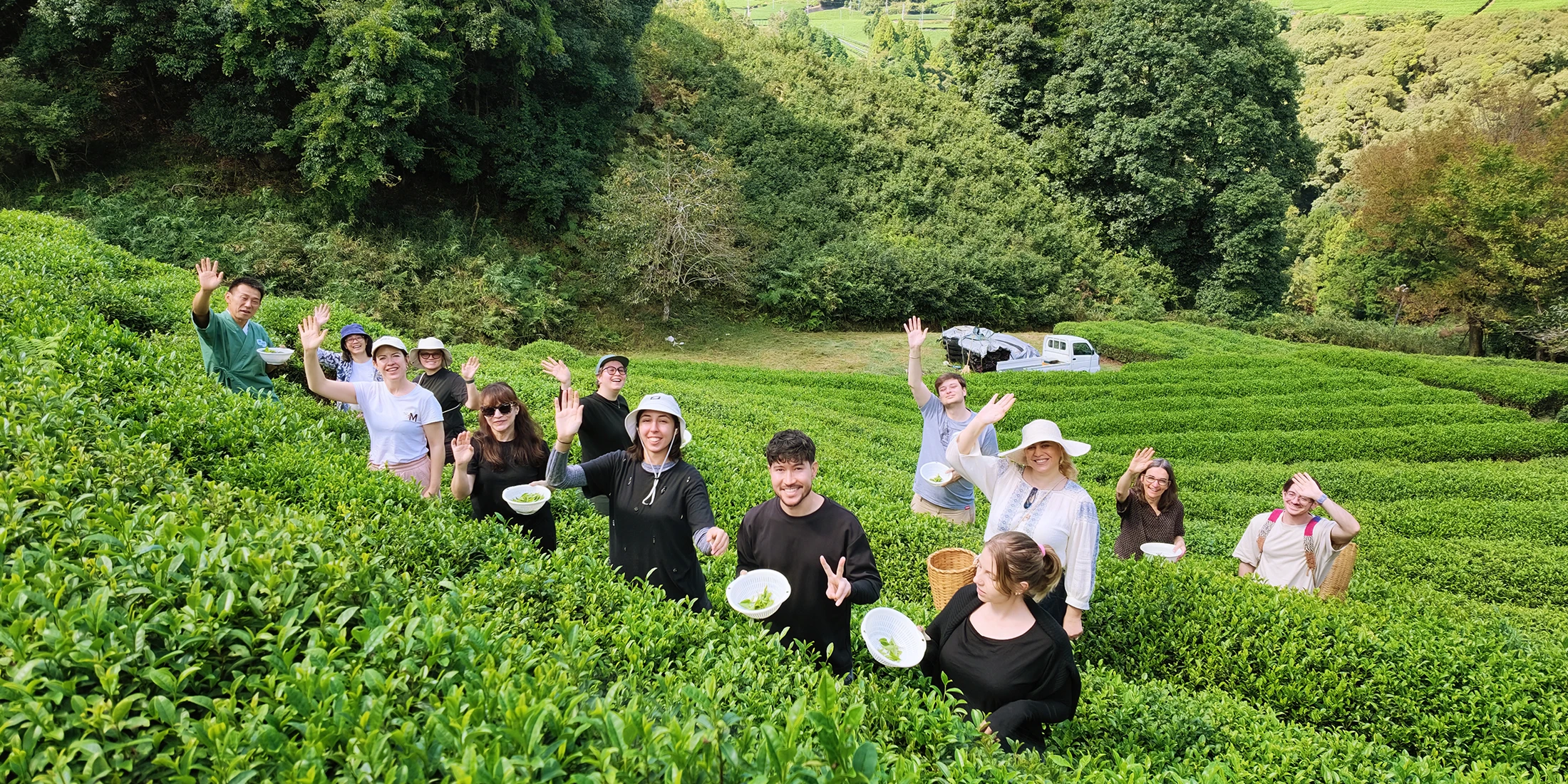
For centuries, tea has been indispensable to Japanese life. More than just a mere beverage, Japanese Green Tea not only maintains good health or complements a meal, but it is also used for welcoming guests or for enjoying a moment to relax. In modern times, Tea has become deeply rooted in everyday Japanese life as a cultural practice that embodies the Japanese spirit of consideration towards others and inner tranquility.
Recently, demand for Japanese Green Tea has increased worldwide, inspired by greater health-consciousness and the availability of various matcha-flavored sweets and drinks. Considering this, many visitors are likely interested in Japanese Green Tea because they see it as symbolic of Japanese culture.
Many international visitors want to experience more than just sightseeing from place to place and are looking to dive deeper into the uniqueness of Japan. They want to explore what underlies important Japanese values, such as a respect for nature, beauty, and harmonious environments. This interest in Japanese Green Tea can be viewed as an expression of their curiosity — a desire to deepen their understanding of everyday Japanese life.
This project aims to meet the needs of these visitors, creating opportunities to learn about the rich history, charm, and spiritual essence of Japanese Green Tea. By using Japanese Green Tea as a cultural gateway, we seek to deepen visitors’ interests in Japan, motivating them to return in the future. We hope to leave them with an unforgettable traditional cultural experience.
MESSAGE
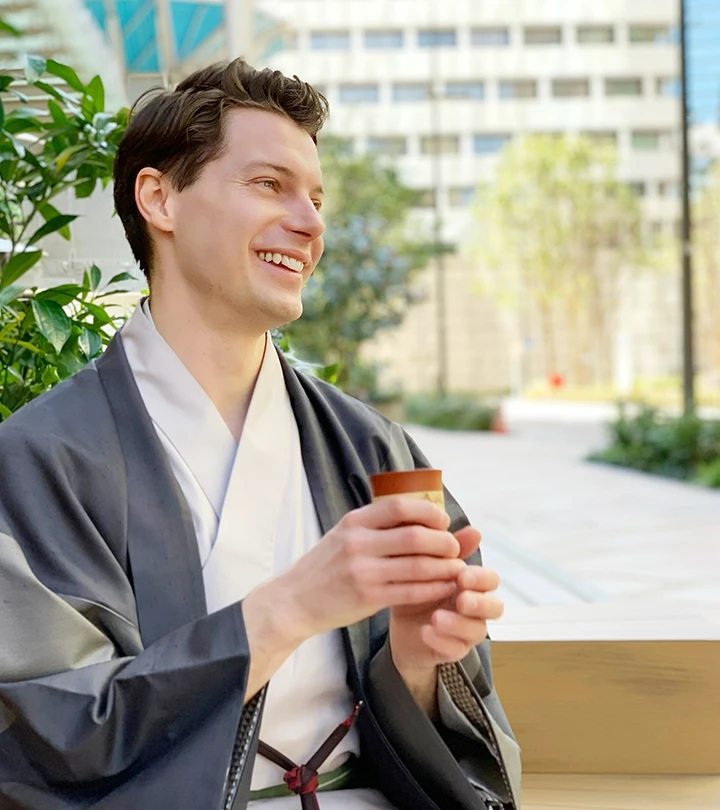
Born in Sweden in 1985. After studying and working in Japan, Per Oscar Brekell qualified as a Japanese Green Tea Instructor and became the first non-Japanese person to earn an assistant instructor qualification in Japanese Green Tea hand-rolling. In 2020, he founded the Japanese Green Tea brand SENCHAISM. He promotes Japanese Green Tea through seminars and numerous media appearances.
Per Oscar Brekell
Prompted by a strong desire to learn more about my beloved Japanese Green Tea, I set out to study Japanese and moved to Japan from far-flung Sweden. Now, I travel around the world hosting Japanese Green Tea ceremonies and leading workshops to share the pleasures of Japanese Green Tea.
Actually, when I first tried Japanese Green Tea in Sweden at age 18, I didn’t enjoy it very much since I couldn’t brew it properly. But through trial and error, I was drawn in by its aroma, reminiscent of mountains and forests, and the refreshing taste it left behind.
I first encountered Japan in a high school world history class. Out of curiosity, I read books on traditional Japanese culture and was especially attracted to wabi sabi and Japanese Green Tea ceremony, where guests are welcomed into a special space with special rules of etiquette. At that time I thought, “I’d like to experience this world, at least once...” With that in mind, I began drinking Japanese Green Tea, visiting Japan, and made up my mind to become a tea expert.
Japanese Green Tea has a special magic in bringing people together. Literally anyone can enjoy a cup of tea, regardless of age, gender, nationality or religion, and certainly there are people abroad who are interested in Japanese Green Tea. I encourage you to experience the profound world of tea alongside other Japanese art forms, including tea rooms flower arranging, calligraphy, pottery, and traditional sweets.
Japanese Green Tea Ceremony
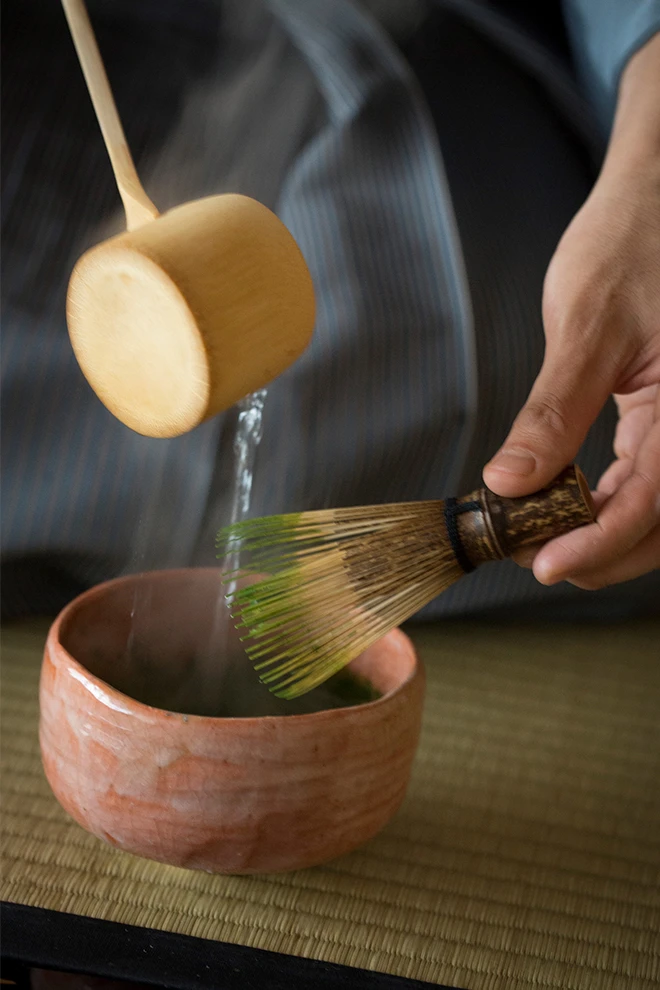
The Japanese Green Tea ceremony is a traditional cultural practice in which a host prepares and serves matcha to guests. Sen no Rikyu brought it to maturity during the Azuchi–Momoyama period in the 16th century. His descendants later established the Omotesenke, Urasenke, and Mushakoji Senke schools, carrying on his approach. Many other schools with their own distinct traditions emerged in subsequent periods.
Also known as chanoyu, the Japanese Green Tea ceremony is about more than drinking matcha. It values hospitality, respect for others, and finding inner calm in a quiet setting. Although practical, many of the utensils also express Japanese aesthetics and a sensitivity to the seasons. The host prepares the Japanese Green Tea room for the guests, thoughtfully selecting seasonal flowers, a hanging scroll, and a combination of utensils suited to the season and the occasion. In appreciation of this care, guests quietly enjoy the setting, taking in the seasonal references and aesthetic qualities of the flowers, scroll, and utensils.
To help the host and guests appreciate this once-in-a-lifetime encounter, each movement follows particular conventions, from preparing the Japanese Green Tea (temae) to drinking it, sitting, and bowing.
Sencha-do
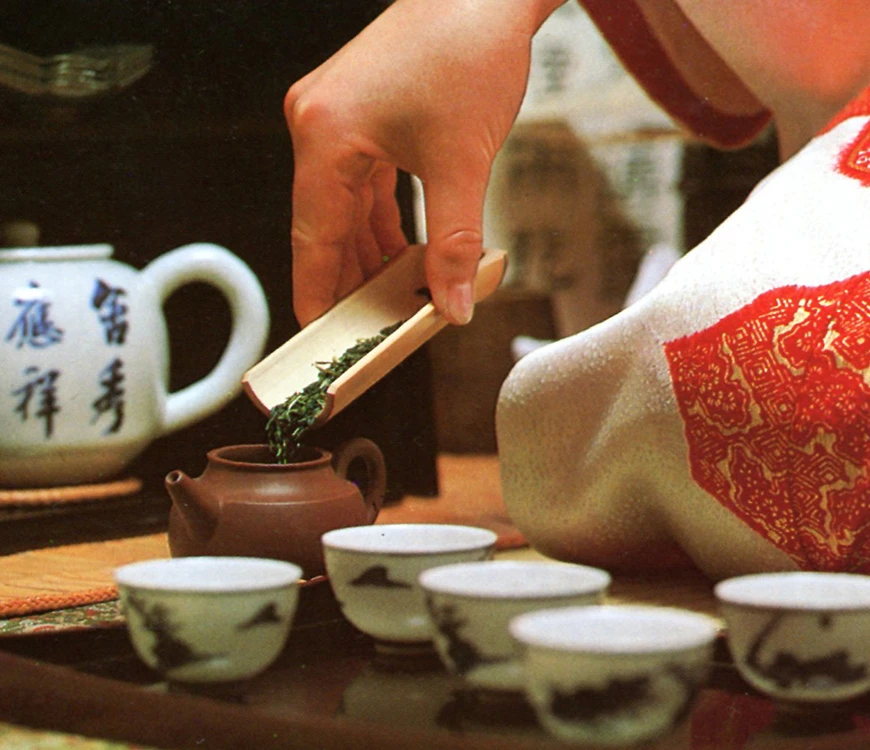
In chanoyu, matcha is prepared by adding hot water to powdered tea and whisking it with a bamboo whisk. Sencha-do, by contrast, celebrates the aroma and flavor of sencha, made by steeping Japanese Green Tea leaves in hot water in a teapot.
The practice of brewing sencha in a teapot was brought from China in the early Edo period by Ingen, the founder of the Obaku school of Zen Buddhism in Japan. Baisao, an Obaku monk of the mid-Edo period, is credited with popularizing it. At a time when drinking sencha was reserved for the upper classes, he set up Japanese Green Tea stands in town and served people regardless of social status. His free-spirited approach, unrestricted by formalities, won the support of writers and artists and eventually spread among ordinary people.
Baisao’s spirit of setting aside rigid formality and valuing a natural approach was passed down to later generations. Numerous schools of sencha practice emerged, eventually establishing sencha-do as a tradition in its own right.
- Date
- Monday,November23,2026 (public holiday)
- Time
- 10:30a.m.-5:00p.m.
- Venue
- Kansai Airport, South Plaza, 1 Senshukukokita, Izumisano, Osaka 549-0001, Japan (map)
-
Opening Ceremony | 10:30a.m.
-
Japanese Classical Dance | 10:35-11:00a.m.Jiuta(Traditional Japanese Song)Cha OndoCha Ondo (also known as Chanoyu Ondo) is a Kyoto-style tegoto-mono jiuta, a traditional Japanese song featuring instrumental interludes. It was composed by Kikuoka Kengyo, a musician active in Kyoto during the late Edo period, and arranged by Yaezaki Kengyo. This elegant, technically sophisticated work uses many terms from the Japanese Green Tea ceremony to express the affection between a man and a woman.
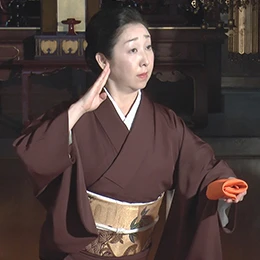 Eiren NishikawaMaster Instructor, Nishikawa School of Japanese Classical Dance; Visiting Lecturer, Doshisha University; Associate Instructor, Omotesenke School of Japanese Green Tea Ceremony
-
Talk Show | 11:05a.m.-12:05p.m.Oscar and Simona, who share Japanese Green Tea with audiences around the world, discuss how they first discovered Japanese Green Tea, the cultural differences they encountered after coming to Japan, and Japanese Green Tea around the world.
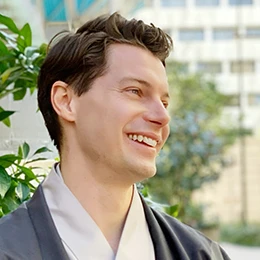 【Guest Speaker】Per Oscar BrekellJapanese Green Tea expert and recipient of the World Green Tea Association’s CHAllenge Award
 【MC】Airi YamakitaFormer Anchor at Japan’s Public Broadcasting Agency
 【Guest Speaker】Simona SuzukiJapanese Green Tea expert and educator with over a decade of experience in the Japanese Green Tea industry. As a President of the Global Japanese Tea Association, she works to make Japanese Green Tea more accessible worldwide. A certified Japanese Green Tea ceremony instructor and a member of the winning team at the national Japanese Green Tea hand-rolling competition, Simona brings deep knowledge and passion for Japanese Green Tea.
-
NOSS Exercise | 12:05-12:55p.m.Q&A Session on Japanese Dance, Japanese Green Tea, and HealthJoin us for NOSS, an exercise program based on the distinctive movements of Japanese classical dance that people of all ages can enjoy while seated in a chair. The session also includes an engaging conversation about Japanese Green Tea and Japanese dance.
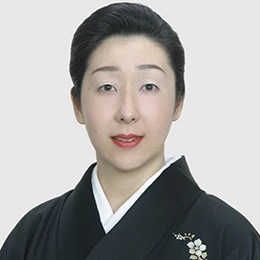 Eiren NishikawaMaster Instructor, Nishikawa School of Japanese Classical Dance
-
Japanese Green Tea Conference | 1:00-5:00p.m.Welcome speech | 1:05-1:25p.m.The Global Japanese Tea Association offers educational programs and shares the appeal of Japanese Green Tea worldwide through a network of more than 1,500 members in 50 countries. We are delighted to introduce innovative members who are shaping the future of Japanese Green Tea.Simona SuzukiPresident of the Global Japanese Tea Association
-
Innovator Talk 1 | 1:30-2:00p.m.Topic: Japanese Green Tea and Packaging — CHABACCOCHABACCO has developed a new way to sell Japanese Green Tea through vending machines at airports and major railway terminals. The packaging looks like a cigarette pack, but inside is Japanese Green Tea. With a focus on reaching the next generation of customers and increasing the value of Japanese Green Tea, it aims to promote the loose-leaf Japanese Green Tea culture rooted in Japanese Green Tea-growing regions across Japan and pass it on to future generations.
 【Speaker】Shota MorikawaRepresentative, Showtime Co., Ltd.
-
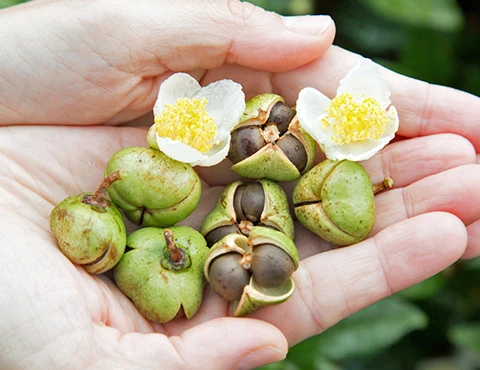
Innovator Talk 2 | 2:00-2:35p.m.Topic: Japanese Green Tea Seeds and Oil — Exploring the Revival of Abandoned Japanese Green Tea FieldsInspired by her discovery of Japanese Green Tea seeds, Kumiko now connects with Japanese Green Tea seed collectors across Japan, runs an association, and holds workshops using Japanese Green Tea seed oil. She discusses the growing number of abandoned Japanese Green Tea fields and the potential of the emerging Japanese Green Tea seed oil industry.
 【Speaker】Kumiko JitoRepresentative Director, Japan Tea Seed Oil Association
-
Catalyst Talk 1 | 2:55-3:25 p.m.A Chinese Canadian based in Vancouver, Janice shares her love of chanoyu and sencha-do with others. In a city with a strong interest in Japanese and other Asian cultures, she explores the challenges and opportunities of building a deeper appreciation of Japanese Green Tea culture.
 【Speaker】Janice ChanRepresentative, Jan’s Chanoma, an online Japanese Green Tea shop
-
Catalyst Talk 2 | 3:25-4:00 p.m.Originally from Bahrain, Budoor is a graduate of Kyushu University who has studied chanoyu for many years. She travels the world introducing people to Japanese food and culture. Drawing on her work in Bahrain, the wider Middle East, Japan, and beyond, she reflects on the appeal of cultural exchange and the possibilities it creates.
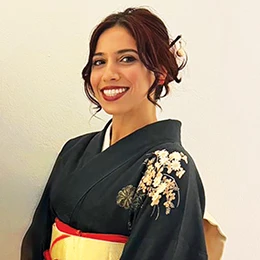 【Speaker】Budoor SteeleOwner, Chawan Japanese Green Tea House
-
Catalyst Talk 3 | 4:00-4:35 p.m. (Online Appearance)Originally from Poland and now based in Lithuania, Anna developed a passion for Japanese Green Tea a few years ago. Alongside her work as a certified public accountant, she runs an online Japanese Green Tea shop and hosts Japanese Green Tea seminars in Lithuania’s capital.
 【Speaker】Anna TadewiczMikėnas Founder, Japoniška žalia
-
Closing Speech | 4:35-4:50 p.m.Seven years have passed since we began our efforts to share Japanese Green Tea with the world. To extend these efforts to Japanese Green Tea-growing regions throughout Japan, we are building tea communities around the world and sharing information about Japanese Green Tea in English. Guided by our mission to “make the world more peaceful through Japanese Green Tea,” we will continue to introduce the many charms of Japanese Green Tea that have yet to be widely discovered.
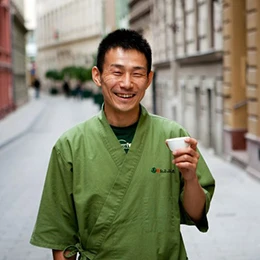 Yasuharu MatsumotoDirector, Global Japanese Tea Association
- Date
- Monday, November 23, 2026 (public holiday)
- Time
- 10:30 a.m.–5:00 p.m.
- Dates
- Tuesday, November 24–Friday, November 27, 2026
- Time
- 11:00 a.m.–4:00 p.m.
- Venue
- Kansai Airport, South Plaza, 1 Senshukukokita, Izumisano, Osaka 549-0001, Japan (map)
| November 23 and 24: Ogawa-ryu Sencha-do
| November 25, 26, and 27: Mushakoji Senke kankyuan
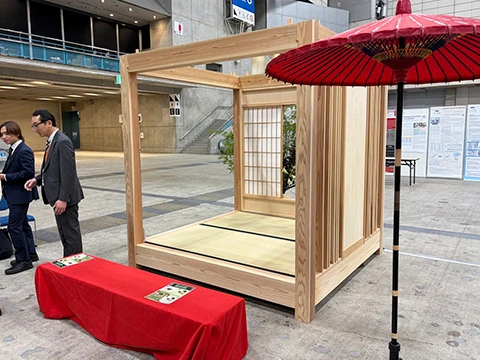
Built with the craftsmanship of traditional shrine and temple carpenters, this mobile Japanese Green Tea room can be assembled anywhere in the world in just one hour, without a single nail. Experience the Japanese traditional of chanoyu and sencha-do in a photogenic setting.
Put on a VR headset to explore the tea fields and Japanese Green Tea harvesting in Wazuka, Kyoto Prefecture, one of Japan’s most popular Japanese Green Tea-growing areas.

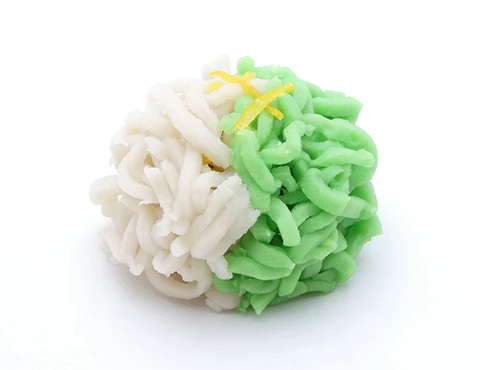
Renowned Kyoto confectioners with histories spanning centuries will take part. Enjoy Japanese sweets that evoke the seasons, paired with Japanese Green Tea.
Kagizen Yoshifusa / Shioyoshiken / Honmatsubaya
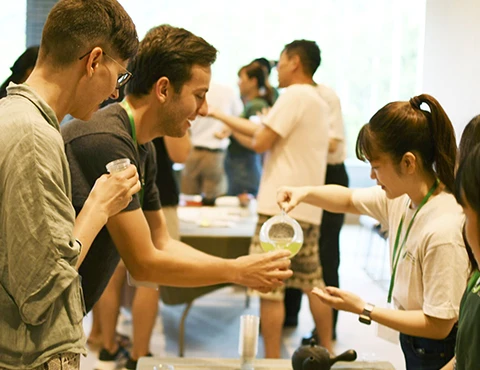
Sample five Japanese Green Teas, including gyokuro, sencha, and hojicha, from the renowned Japanese Green Tea-growing regions of Kyoto, Shizuoka, and Kagoshima. Discover your favorite.
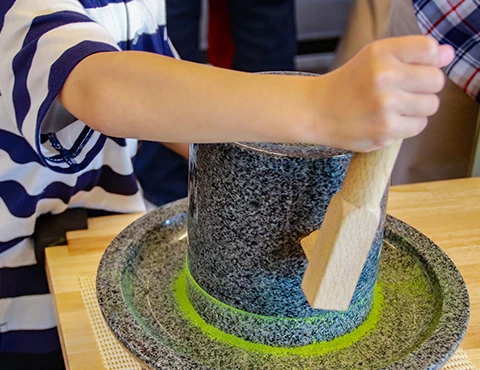
Grind tencha, the Japanese Green Tea leaves used to make matcha, in a stone mill and taste freshly prepared matcha on the spot. You can also try roasting tea leaves to make hojicha and enjoy the aroma.
Discover new uses for Japanese Green Tea seeds that would otherwise be discarded. Learn about sustainable everyday products made through oil pressing, and enjoy the aroma of Japanese Green Tea seed oil.
Pose for a photo as a Japanese Green Tea picker in traditional attire.


Organizer: Agency for Cultural Affairs, Government of Japan
Planning and Operations: Osaka Yomiuri Service